Natural Decongestant: 19 Ways to Clear Sinus Congestion
Nasal congestion isn't one problem. It's two: swollen tissue narrows the airway and thick, stalled mucus blocks what's left of the airway. A remedy that only handles one of these buys you a few minutes of relief before the stuffiness comes right back.
Once you sort every fix below into "shrinks the swelling" or "thins and moves the mucus," these remedies stop looking random and start looking like a toolkit. Use one from each column, and you will clear up faster and stay cleared up longer. This guide covers what to reach for first, the evidence supports these remedies, and when a stuffy nose stops being a home-remedy fix and becomes a phone call to your doctor.
Sinus Congestion Creates Two Problems
Swollen, inflamed tissue
Blood vessels in the nasal lining dilate and swell in response to allergens, viruses, or irritants, physically narrowing the passage. Warmth, menthol, and anti-inflammatory compounds work on this half of the problem.
Thick mucus that won't drain
Dehydration, dry indoor air, and inflammation thicken mucus until the tiny hairs that normally sweep it out can't move it. Fluids, humidity, and saline rinses work on this half.
Most of the remedies below land clearly in one column. A few — like a hot shower — do both at once, which is part of why they feel so effective.
What Actually Works, Fast
Saline nasal irrigation is a proven home remedy for congestion. It physically flushes mucus and allergens out rather than just masking symptoms. If you only try one thing on this list, try that one. After it:
- A hot shower loosens mucus and temporarily reduces swelling within a few minutes.
- Menthol, like a peppermint tea, doesn't work like a decongestant, but it opens airflow and calms irritation.
- Elevating your head while sitting or sleeping allows sinuses to drain with gravity instead of pooling.
- Warm fluids thin mucus faster than anything you'll find in a medicine cabinet.
None of these remidies work as quickly as decongestant medication, but they offer relief without rebound congestion which can be a real problem with over-the-counter sprays and meds.
19 Natural Decongestant Remedies, Compared
| Remedy | Targets | Speed | Evidence |
|---|---|---|---|
| Saline nasal irrigation | Mucus + swelling | Minutes | Strong, well studied for congestion relief |
| Hot shower / steam | Mucus + swelling | Minutes | Well established, mechanism-based |
| Hydration (water, warm fluids) | Mucus | Hours | Well established |
| Humidifier | Mucus | Overnight | Well established for dry-air congestion |
| Clean indoor air (HEPA filtration) | Swelling (allergy-driven) | Days | Strong for allergen-triggered congestion |
| Elevate head while sleeping | Drainage | Overnight | Well established, mechanism-based |
| Peppermint / menthol | Swelling, perceived airflow | Minutes | Moderate, subjective relief more than measured |
| Eucalyptus vapor | Swelling, mucus | Minutes | Moderate |
| Warm compress on face | Swelling | Minutes | Mechanism-based, limited formal study |
| Sinus pressure points | Perceived pressure | Minutes | Limited evidence |
| Spicy foods (horseradish, wasabi) | Mucus (temporary flush) | Minutes | Limited, but low-risk |
| Turmeric (curcumin) | Swelling | Days | Emerging, mostly lab and small studies |
| Garlic | Immune support, mucus | Days | Limited data, mostly anecdotal |
| Apple cider vinegar | Mucus (claimed) | Unclear | Limited data, mostly anecdotal |
| Oregano oil | Immune support | Days | Limited data |
| Fish oil (omega-3s) | Inflammation, long-term | Weeks | Moderate for related allergic conditions |
| Vitamin C (from food) | Immune support | Days | Modest, best from whole foods |
| Acupuncture | Swelling, pressure (claimed) | Varies | Limited, mixed clinical evidence |
| Avoiding allergen contact (pollen) | Swelling (allergy-driven) | Days | Strong for allergic rhinitis |
The Right Fix Depends on What's Causing It
"Natural congestion relief" doesn't have a single solution that fixes all sinus issues. The best remedy changes depending on why your sinuses are blocked.
Allergies (pollen, dust, pet dander)
Here, the swelling is driven by ongoing allergen exposure, so removing the trigger matters more than any single remedy. Take shoes off at the door, change clothes and shower after being outside during high-pollen days, and wash bedding regularly. A HEPA air purifier that's run where you spend the most time during the day and moved to the bedroom at night removes the pollen, dust, and dander that keep triggering the swelling. Our guide to seasonal allergy symptoms and relief covers this in more depth.
A cold or virus
It's best to combat viral congestion with hydration, rest, steam, and time to recover. Most colds run their course in 7 to 10 days regardless of what you take.
Dry indoor air
Common in winter with forced-air heat running. A humidifier keeping relative humidity around 30–50% will do more for congestion here than any pill. Go much above 50%, and you risk mold and dust mite growth, so don't overcorrect. See our comparison of air purifiers, humidifiers, and dehumidifiers for how the three appliances actually differ.
Nighttime congestion
Lying flat allows mucus to pool instead of drain, which is why congestion always feels worse at night. Elevate your head with an extra pillow, run a humidifier if the air is dry, and keep the bedroom's air clean of dust and allergens overnight with an air purifier. See our guide to CADR and how to size an air purifier to your room.
A possible sinus infection
This is the one case where home remedies alone may not be enough. The CDC notes that most sinus infections are caused by viruses and get better without antibiotics. Signs it may be bacterial and worth a doctor's visit: symptoms lasting more than 10 days without improvement, symptoms that worsen after initially getting better, or a fever lasting more than a few days.
Hydration and Drainage
Drink more fluids
Drink a lot more water especially. Staying hydrated keeps mucus thin enough to drain. Skip caffeine and alcohol, which dehydrate you, and go easy on dairy, which can thicken mucus for some people, and sugary drinks, which contribute to inflammation. Cold beverages can actually make congestion feel worse, since cold temporarily constricts blood vessels in the nose and throat, so it's best to stick to room-temperature or warm drinks.
Flush your sinuses with saline
A saline spray or a salt-water rinse with a neti pot physically removes mucus, allergens, and irritants rather than just easing the feeling of congestion, which is why it tops the fast-relief list above.
Safety note: The FDA is clear that nasal rinsing is only safe with distilled, sterile, or previously boiled-and-cooled water, never plain tap water. Rare but serious infections have occurred when tap water was used to rinse the sinuses. Clean the device thoroughly before and after each use and let it air-dry.
Take a long, hot shower
The steam loosens mucus, and the heat can temporarily ease swollen tissue. It's one of the few remedies that does real work on both halves of the congestion problem at once.
Menthol and Anti-Inflammatory Remedies
Peppermint
Peppermint's menthol has anti-inflammatory properties and can help open the sensation of airflow through the nasal passages, which may ease sinus-related headaches along with congestion. Try it as tea, oil, or in over-the-counter cough drops.
Eucalyptus
Add eucalyptus to hot water and breathe in the vapor, or brew it as a tea. It's a common ingredient in cough drops for good reason because it acts as an expectorant, helping loosen mucus, and soothes a scratchy throat along the way.
Turmeric
Turmeric's active compound, curcumin, has anti-inflammatory and antioxidant properties that may help calm irritated sinus tissue. It's an easy, low-risk addition to food, though most of the supporting evidence is still in its early stages.
Apple cider vinegar
Scientific evidence here is limited. Some people find that a couple of tablespoons in a cup of hot water or tea (with honey to cut the taste) seems to thin mucus. It's low-risk to try, but don't expect it to outperform saline irrigation or steam.
Physical Techniques
Elevate your head while sleeping
Lying flat allows sinuses to pool instead of drain. Prop yourself up with an extra pillow so gravity can do some of the work overnight.
Place a warm towel on your face
The heat and light steam from a warm, damp towel over the sinuses can help loosen thickened mucus, similar in effect to a smaller-scale steam session.
Try sinus pressure points
Press or gently massage for about a minute at the bridge of the nose between the eyebrows, just below the eyebrow ridge, and around the cheeks, feeling for the soft, tender spots beneath the eyes. Evidence for pressure-point techniques is limited, but the risk is essentially zero.
Eat spicy foods
Horseradish, mustard, and wasabi can trigger a temporary flush that clears sinuses fast, if briefly. A "tomato tea" with tomato juice, chopped garlic, a dash of lemon juice, and hot sauce is a traditional version of the same idea.
Clean Air and Your Environment
Clean the air
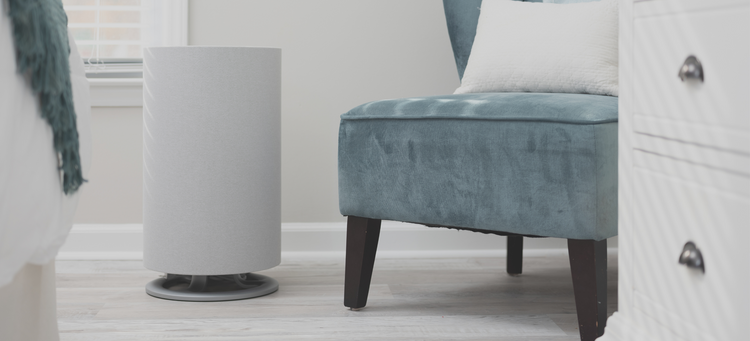
If your congestion is allergy-driven, then the air in your home matters as much as anything on this list. The EPA lists pollen, mold spores, dust mites, and pet dander among the common biological contaminants that trigger nasal inflammation indoors. A trustworthy air purifier built around true HEPA filtration and a strong motor that removes these particles rather than just circulating them. Run it in the room where you spend most of your day, and move it to the bedroom at night to help you sleep congestion-free.
Room size actually matters here: an AirMend™ 150HB or AirMend™ 200HB are good for small rooms. If you have a bigger area to clean, then go for the AirMend™ 270HB. For open-concept living spaces or homes that also need to handle odors and VOCs alongside allergens, the Mod Jr. and Mod+ pair HEPA with activated carbon. If odors and gases are the bigger issue for you rather than particles, the TrueCarbon™ line is built specifically for that.
Stay away from pollen
Minimize contact time with allergens: take shoes off before entering the house, change clothes, wash your face, and consider a shower after time outdoors during high-pollen days. Wash sheets and pillowcases regularly, and keep windows closed when pollen counts are high.
Use a humidifier
Dry air thickens mucus and irritates nasal tissue, and a humidifier corrects that. But don't overcorrect: relative humidity above roughly 50% encourages mold growth, which will trade one congestion trigger for another.
Supplements and Other Remedies
Fish oil
The omega-3 fatty acids in fish oil have documented anti-inflammatory benefits, and separate research has linked fish oil intake during pregnancy to lower rates of allergic conditions in children. It won't clear an active cold, but it's a reasonable long-term habit for people prone to allergy-driven congestion.
Take your vitamin C
Vitamin C is best sourced from whole foods like oranges or pineapple rather than megadose supplements. It supports general immune function, which can help your body clear the underlying cause of congestion faster.
Oregano oil
Traditionally used for its antibacterial and anti-inflammatory properties. Try it as tea, or properly diluted if applying topically because oregano oil is potent enough to irritate skin undiluted.
Garlic
Some early research points to antibacterial properties and immune support, and garlic may help thin mucus. The simplest way to get it: cook with it regularly.
Acupuncture
Evidence is mixed, but some people report real relief from sinus pressure and congestion after a session, potentially through improved circulation and stress reduction. It's a reasonable complementary option to the other ways to clear congestion.
What About Over-the-Counter Decongestants?
Worth addressing directly, since it changes what "natural" is actually competing against. Oral phenylephrine is the active ingredient in many shelf-stable cold and allergy products since pseudoephedrine moved behind the pharmacy counter. Phenylephrine has been under formal FDA review since a 2023 advisory committee unanimously concluded it isn't effective as an oral decongestant at approved doses. In November 2024, the FDA issued a proposed order to remove oral phenylephrine from the OTC monograph; as of this writing, that order has not been finalized, so products containing it remain on shelves, but the honest answer is that oral phenylephrine likely isn't doing much for you.
Pseudoephedrine (the behind-the-counter version) does work, but it can raise blood pressure and heart rate, which matters if you have cardiovascular conditions. Nasal sprays like oxymetazoline work fast for the same reason, but come with their own catch:
Rebound congestion warning: decongestant nasal sprays used for more than 3 consecutive days can trigger rhinitis medicamentosa: a congestion that returns worse than before as the spray wears off, pushing people into a cycle of ever-more-frequent use. If you reach for one, use it briefly and as directed.
This is a big part of why natural, mechanism-first approaches like saline, humidity, clean air, and hydration hold up well and don't carry a rebound risk.
Frequently Asked Questions
What is a natural decongestant?
A natural decongestant is any non-drug remedy that reduces nasal swelling or thins and clears mucus. Saline irrigation, steam, menthol, hydration, and clean indoor air are the best-supported examples, working through inflammation, mucus consistency, and drainage rather than taking medication.
What helps a stuffy nose fast?
Saline nasal irrigation, a hot shower, and elevating your head all bring noticeable relief within minutes by loosening mucus and easing swelling, though none work as instantly as a decongestant drug.
What is the best natural decongestant?
Saline nasal irrigation has the strongest evidence behind it among natural options, because it physically flushes mucus and allergens out of the nasal passages rather than just easing the sensation of congestion.
How do I unblock my sinuses naturally?
Combine a fix from each side of congestion: something that thins mucus (fluids, steam, a saline rinse) with something that eases swelling (menthol, warmth, clean allergen-free air), and give it 15–20 minutes before judging whether it worked.
How can I get rid of a sinus infection in 24 hours?
You generally can't cure a sinus infection in a day, and most don't need to be "cured" with medication at all. The CDC notes most are viral and resolve on their own within one to two weeks with rest, fluids, and steam; a doctor visit is warranted if symptoms last more than 10 days, worsen after improving, or come with a fever over 3–4 days.
How to relieve sinus pressure?
Steam, a warm compress over the sinuses, saline irrigation, and gentle pressure-point massage around the brow and cheeks are the most reliable natural ways to ease sinus pressure, since pressure is largely driven by the same swelling and trapped fluid behind congestion itself.
Do natural decongestants work as well as medication?
For allergy or dry-air-driven congestion, natural approaches like clean air and humidity control can work as well or better over time since they address the underlying trigger; for acute relief in the moment, pseudoephedrine (medication kept behind the pharmacy counter) works faster than any natural remedy, but oral phenylephrine, the version sold on open shelves, has been found ineffective and is currently under FDA review for removal.